Designing a Serene Traditional Blue Nursery
A traditional blue nursery offers a tranquil and enduring aesthetic, a comforting space that welcomes new arrivals with classic charm. This approach balances timeless appeal with practical considerations, ensuring a room that is both beautiful and functional. Forget fleeting trends; a well-designed traditional blue nursery provides a calm foundation that can adapt as your child grows, making it a thoughtful investment.
The Canvas: Walls, Trim, and Furniture
Start with a clean, classic backdrop. For walls, consider a soft, inviting blue that avoids being overly saccharine or too dark. Farrow & Ball’s ‘Light Blue’ offers a gentle, muted tone that shifts subtly with the light, or Benjamin Moore’s ‘Palladian Blue’ provides a slightly more saturated yet still serene option. Pair this with crisp white trim in an off-white like Farrow & Ball’s ‘Wimborne White’ or Benjamin Moore’s ‘White Dove’ for definition and brightness. For a subtle accent wall, consider a deep, grounding blue like Benjamin Moore’s ‘Hale Navy’ behind the crib to add depth without overwhelming the space.
Nursery furniture in white, natural wood, or a deep blue finish will complement the traditional style. A sturdy crib, a dresser doubling as a changing station, and a comfortable glider are essential. Choose hardware in aged brass for a warm, classic touch, or brushed nickel for a slightly more understated feel. Ensure drawer pulls and knobs are securely attached and pose no hazard.
Textile Choices: Adding Depth and Comfort
Textiles are crucial in a traditional nursery, introducing pattern, texture, and softness. Carefully selected fabrics can elevate the room, providing both visual interest and practical comfort.
Classic Stripes: Traditional Micro Sky Blue Blue Vintage Ticking Upholstery Stripes
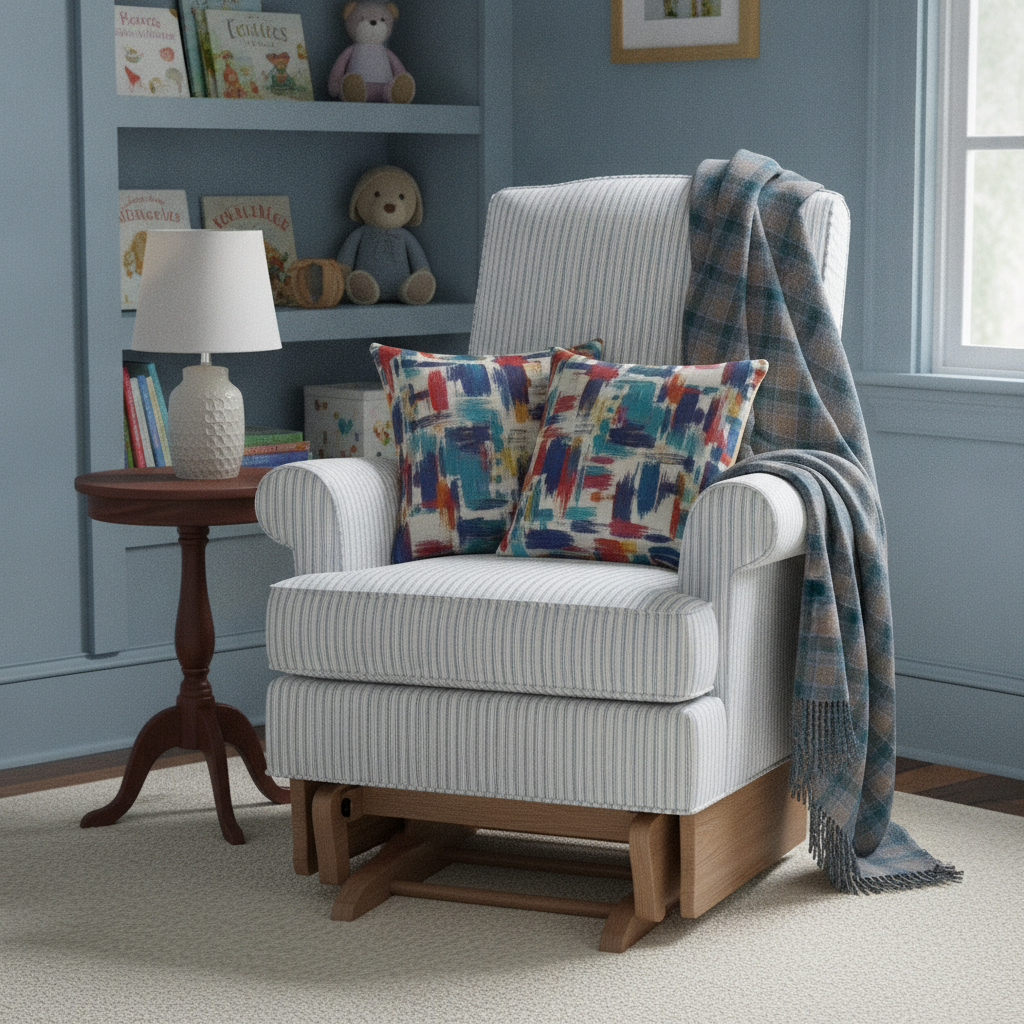
For a foundational pattern, consider the Traditional Micro Sky Blue Blue Vintage Ticking Upholstery Stripes. This fabric features a micro sky blue and white mattress narrow ticking bed stripe in a vintage style of narrow and thinner stripes alternating. Its classic Upholstery design and sky blue ticking tags make it ideal for a nursery. Use it to reupholster the seat cushion of a vintage rocking chair or glider, providing a soft, resilient surface. For a charming second use, it creates a perfectly tailored crib skirt, typically finishing about 25-30cm from the floor, adding a touch of tailored elegance beneath the crib. This subtle stripe pairs well with other patterns without competing.
Sophisticated Plaid: Fraser Weathered Wool Scottish Tartan with Taupe and Teal Accents
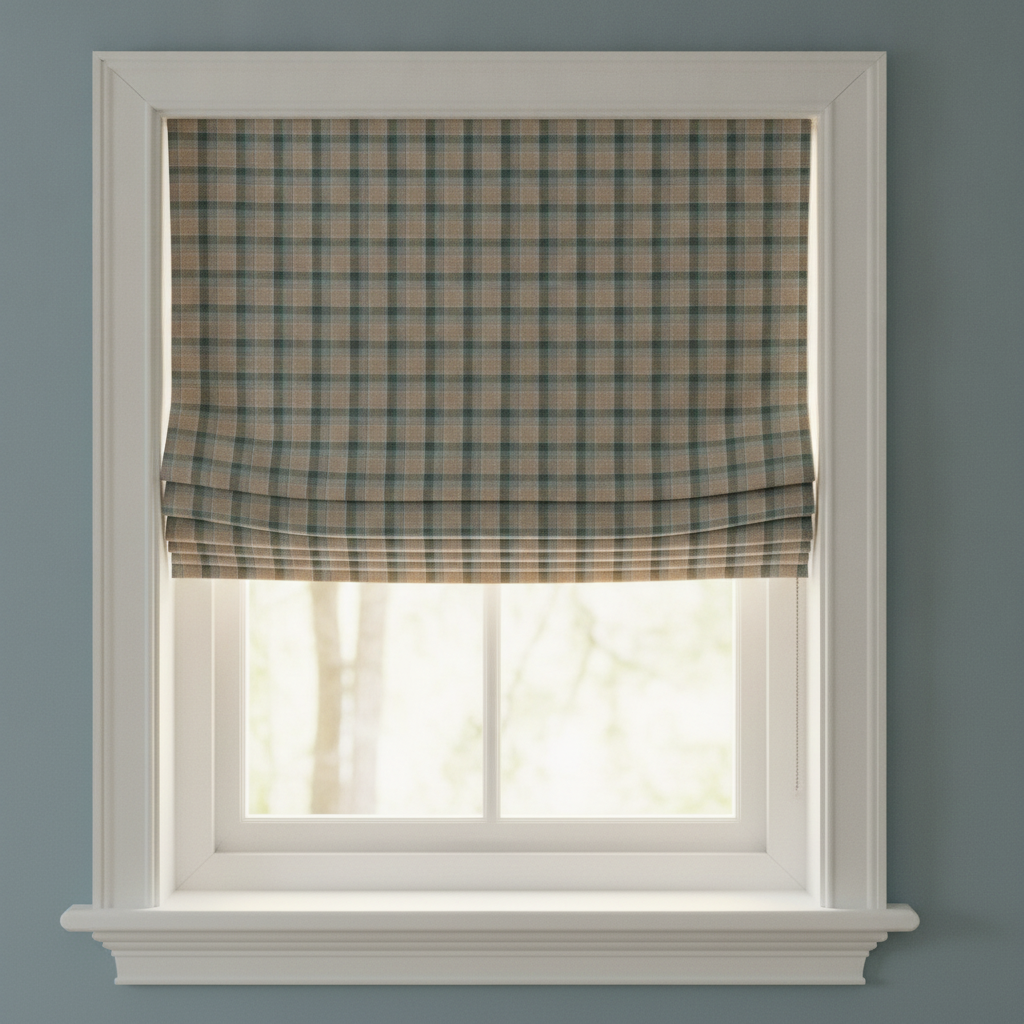
Introduce a touch of heritage with the Fraser Weathered Wool Scottish Tartan with Taupe and Teal Accents. This fabric is a Fraser Weathered Scottish tartan with taupe and teal accents, enhanced by soft blue lines, ideal for classic upholstery or stylish fashion. Its traditional Scottish tartan and wool texture bring warmth and depth. Use it for a Roman blind on a window, ensuring the blind finishes 1cm above the sill for a neat look. For a standard 90cm wide window, you’d need approximately 1.5-2 meters of fabric depending on the drop and pattern repeat. As a second application, consider using it to craft a sophisticated throw blanket (approx. 120cm x 150cm) draped over the arm of the glider, inviting warmth on cooler days.
Bold Accents: Dashiki Fusion Bold Brushstrokes Yellow Blue and Pink
To inject a controlled burst of vibrant energy while maintaining tradition, incorporate the Dashiki Fusion Bold Brushstrokes Yellow Blue and Pink. This fabric features bold brushstrokes in yellow, blue, and pink with geometric shapes, creating a vibrant, Afrocentric pattern. While described as suitable for fabric or fashion designs, its traditional and tribal tags allow for careful integration. Use this fabric for accent cushions on the glider or a small armchair. A pair of 45x45cm cushions, placed 20cm apart, or a single 30x50cm lumbar cushion, can introduce its vibrant yellow, blue, and pink hues without overwhelming the room. As a second, unexpected use, frame a piece of this fabric to create unique wall art, allowing its bold brushstrokes and geometric shapes to stand out as a focal point.
Grounding Solids: Alaska Midnight Blue Northern Stillness
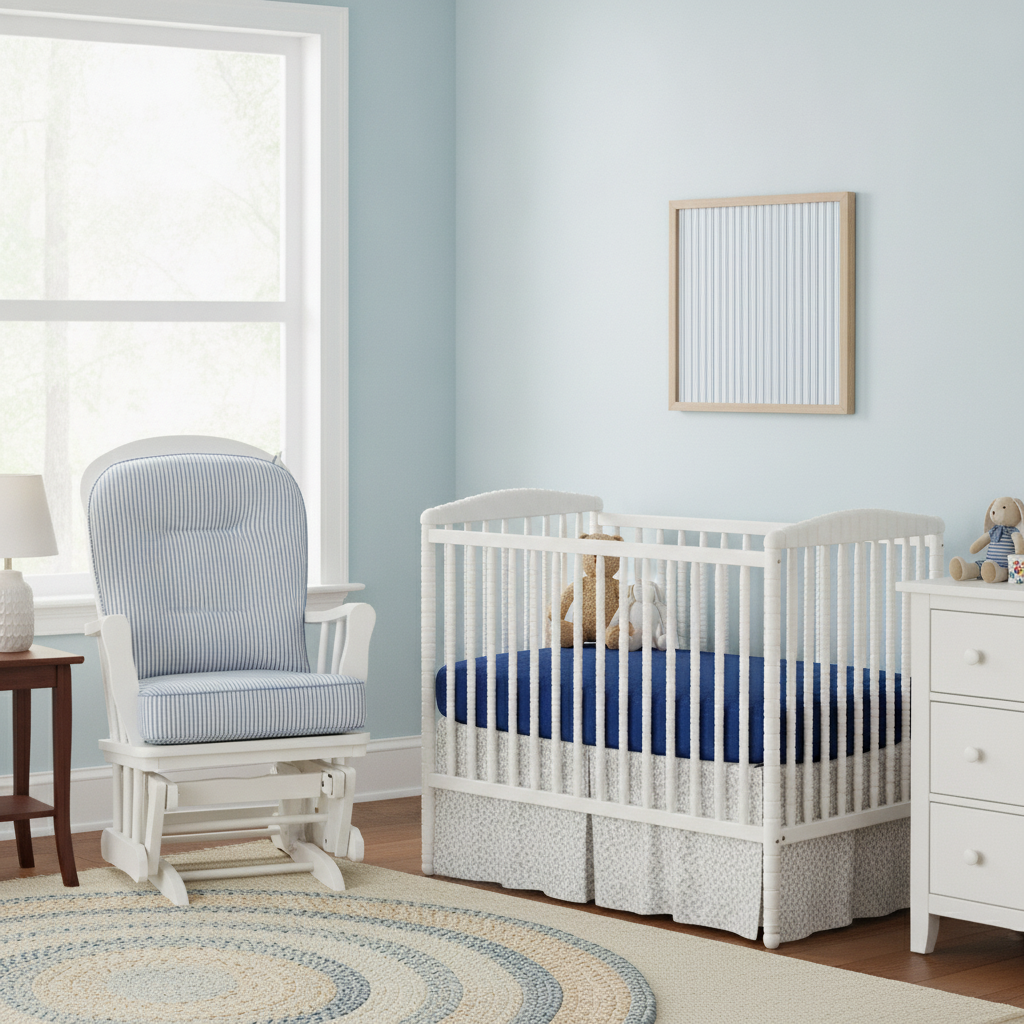
Every room benefits from a solid, grounding color, and the Alaska Midnight Blue Northern Stillness is perfect for this. This fabric is a deep midnight blue inspired by Alaska’s long nights and northern calm, with tags including arctic, cool tone, deep, and minimalist. Use this solid, intense blue for blackout curtains. For a standard 120cm wide window with a 240cm ceiling, two curtain panels, each 150cm wide and 235cm long, would provide ample fullness and block out light effectively. This would require approximately 5-6 meters of fabric. As a second functional use, craft a deeply colored, fitted crib sheet, providing a rich, dark base that contrasts beautifully with lighter bedding elements.
DIY Project: Framed Fabric Wall Art
Create a bespoke piece of art for the nursery using the vibrant Dashiki Fusion Bold Brushstrokes Yellow Blue and Pink fabric. This simple project adds a personal and artistic touch.
- **Gather Materials:** You will need approximately 50cm x 50cm of the Dashiki Fusion fabric, a picture frame (e.g., 40x40cm or 30x40cm, ensuring the fabric fits with some overlap), scissors, and masking tape or painter’s tape.
- **Prepare Fabric:** Iron your fabric to remove any wrinkles. Carefully cut the fabric to fit the frame’s backing board, leaving an extra 5cm margin on all sides.
- **Mount Fabric:** Place the fabric face down on a clean, flat surface. Center the frame’s backing board (the piece of cardboard or MDF that holds the picture in place) onto the fabric.
- **Secure Fabric:** Starting from the middle of one side, gently pull the fabric taut over the edge of the backing board and secure it with masking tape on the back. Repeat on the opposite side, then the remaining two sides, working your way around and ensuring even tension. Trim excess fabric if necessary.
- **Assemble Frame:** Place the fabric-covered backing board back into the frame. Secure the frame closures. Hang your new artwork approximately 15cm above the top of the dresser or crib, ensuring it’s out of reach of little hands.
What to Avoid in a Traditional Blue Nursery
- **Overly Dark Walls in Small Rooms:** While deep blues can be striking, using them on all walls in a small nursery can make the space feel confined. Reserve intense shades for an accent wall or fabric.
- **Cluttered Decor:** Traditional doesn’t mean overcrowded. Select a few meaningful pieces of art, a sturdy bookshelf, and practical storage baskets. Leave ample open space.
- **Ignoring Practicality for Aesthetics:** Always prioritize safety and function. Ensure all furniture is anchored, cords are hidden, and fabrics are washable.
- **Too Many Competing Patterns:** While mixing patterns is encouraged, ensure there’s a unifying color (like blue in this case) or scale (e.g., a fine stripe with a bold tartan) to maintain harmony. Avoid too many large-scale, busy patterns.
Crafting a traditional blue nursery is about creating a tranquil and enduring space. By carefully selecting enduring patterns, specific colors, and practical elements, you build a room that is both beautiful and functional, a comforting retreat that stands the test of time.